Has Your Child Been Accused of Rule Violations or Criminal Conduct? Here’s What Special Needs Families Should Know
December 1, 2025
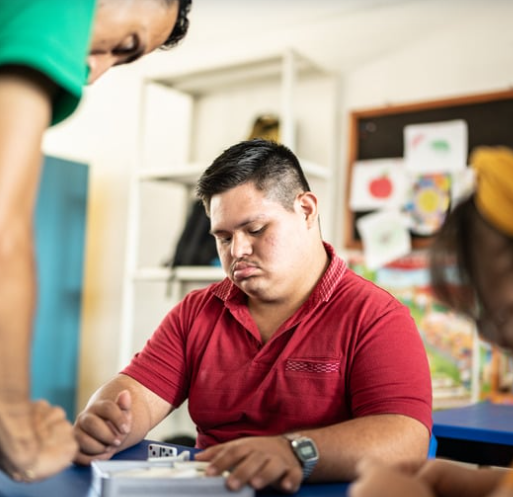
When a child with special needs is accused of violating school rules, or worse, alleged criminal conduct, families often face a uniquely challenging and stressful situation. Navigating the legal and educational systems can be overwhelming, especially when your child’s disability affects how they understand and respond to these accusations.
As a special needs attorney, I want to provide guidance and support for families facing these difficult circumstances. Here’s what you should know and consider if your child has been accused:
Understand the Situation Fully
First, ensure you have a clear understanding of the allegations against your child. Gather all relevant documentation—school reports, police records, witness statements—and ask for clarification from school personnel or law enforcement officers when necessary.
Recognize the Impact of Your Child’s Disability
Children with disabilities, such as autism, ADHD, intellectual disabilities, or emotional disturbances, may have unique reasons behind certain behaviors. Sometimes what appears to be rule-breaking or misconduct may be linked to their disability.
It is critical that the school or authorities consider your child’s Individualized Education Program (IEP) or 504 Plan, as well as any accommodation or behavioral supports in place.
Your Child’s Rights Under the Law
Children with disabilities are protected under laws such as the Individuals with Disabilities Education Act (IDEA) and Section 504 of the Rehabilitation Act. These laws ensure your child receives appropriate education and services, and they require schools to provide due process protection when disciplinary actions are proposed.
Additionally, your child has constitutional rights throughout any school or criminal justice proceedings, including the right to legal representation.
How School Discipline Differs for Special Needs Students
If misconduct occurs at school, the school generally must follow special procedures before disciplining students with disabilities. For example, suspension or expulsion beyond a certain number of days triggers additional rights, such as a manifestation determination review, which evaluates whether the behavior was related to the child’s disability.
Failing to follow these procedures can result in violations of your child’s rights.
When Criminal Charges Are Involved
If law enforcement is involved, it is essential to consult with an attorney experienced in juvenile law and special education. Disabilities can influence how a child interacts with police, sometimes leading to misunderstandings or false accusations.
An attorney can help ensure your child’s rights are protected and work toward the best possible outcome.
Acting: What You Can Do Now
1. Stay Calm and Gather Information – Document everything and communicate respectfully with school and authorities.
2. Consult a Special Needs Attorney – Early legal advice can protect your child’s rights.
3. Request School Meetings – You have the right to meet with school officials to discuss the allegations and explore supports.
4. Review Educational Plans – Make sure your child’s IEP or 504 Plan is up to date and addresses behavioral needs.
5. Consider Behavioral Evaluations – If necessary, request assessments to understand underlying causes of behaviors.
Having your child accused of rule violations or criminal conduct can be distressing, but you don’t have to face it alone. Knowing your child’s rights, understanding the law, and seeking expert guidance can make a critical difference.
If your special needs child is facing accusations, reach out to a knowledgeable special needs attorney who can advocate for your child’s best interests and ensure their rights are upheld every step of the way. If you have questions or need assistance, contact us today! We are here to support your family during this challenging time.